
Signs of Ceiling Water Damage Cedar Hill Homeowners Should Not Ignore
Signs of ceiling water damage almost always appear in the wrong order. The leak starts first, silently, in the attic or the floor above. The damage spreads second, through insulation and drywall nobody can see. The sign you can see, the stain, the drip, the sag, arrives last, which is why reading signs early is the whole skill. This guide names the signs Cedar Hill homeowners actually get, what each one means, and which ones mean call today.
Call +1 (844) 468-2611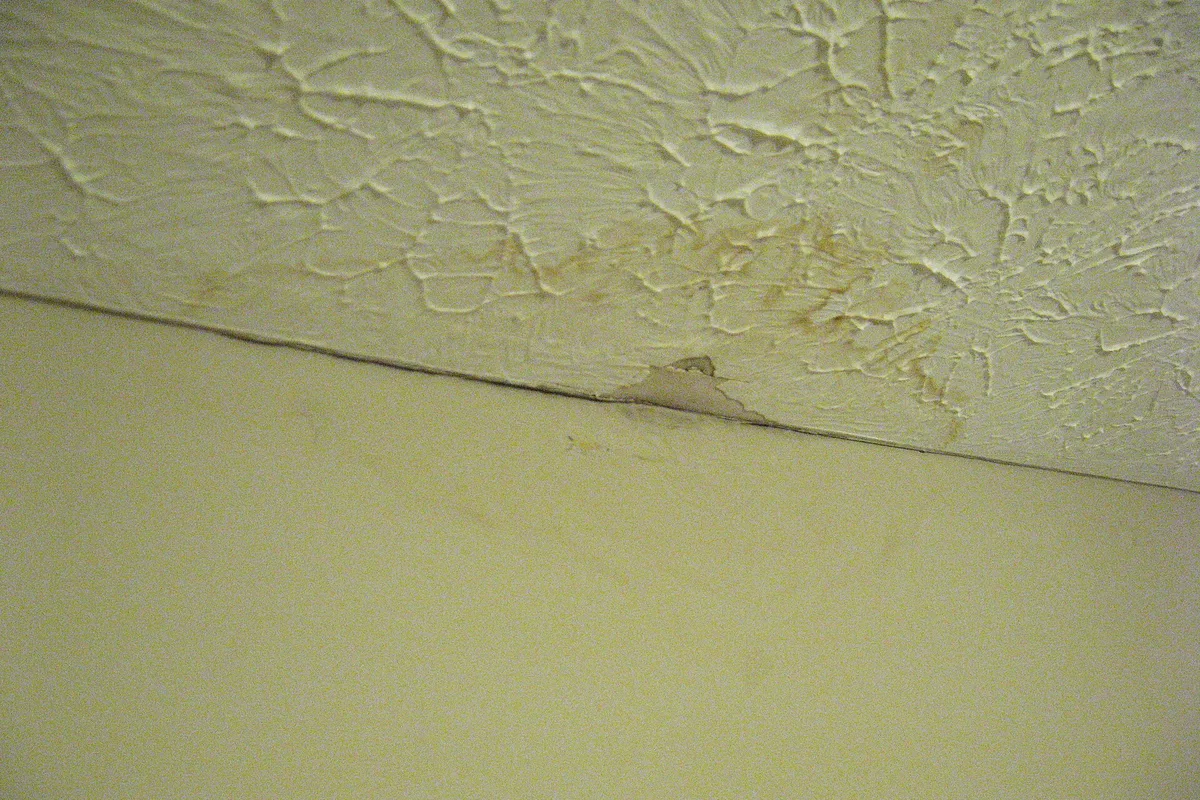
The stain ring
The classic sign is a brown or yellow ring, darkest at its edge. That edge is a tide line: water spread through the drywall, pooled, and dried, depositing its minerals at the boundary. One ring means at least one soaking. Rings inside rings mean the leak has run, dried and run again. A ring that is still growing is an active leak, and the fastest test is free: outline it lightly in pencil, date it, and look again in a week.
Paint that bubbles, peels or blisters
Ceiling paint fails where the drywall behind it is damp. Bubbling and peeling paint, especially in a patch rather than across the whole ceiling, means moisture is pushing through from above. In bathrooms it can be steam damage, which stays at the surface; anywhere else, treat blistering paint as water in the ceiling until a moisture reading says otherwise.
A soft or sagging spot
Drywall is rigid when dry and spongy when soaked. A ceiling that gives slightly under a gentle press, or worse, visibly bows or bulges, is holding water and losing strength. A bulge is the one sign on this list that should change your plans for the day: keep people and furniture out from under it, because a waterlogged panel can let go, and call for help rather than climbing up to investigate.
Drips from fixtures
Water coming through a light fixture, ceiling fan or vent means the cavity above is holding enough water to find the holes that were cut for wiring and ducting. It also means water and electricity are sharing a space. Leave the fixture off, avoid the switch, and treat the situation as urgent: the leak feeding it is not small, or it has been running for a long time.
From Reading to a Real Inspection
The musty smell with no visible sign
Sometimes the first sign is a smell: the earthy, closed-up odor of damp material, strongest in one room, worse after the house has been shut for a day. Mold and mildew grow on wet drywall paper and insulation before any stain prints through. A persistent musty room below an attic air handler or a bathroom deserves a moisture check even when the ceiling looks clean.
Stains in the pattern of what is above
Location is a sign in itself. A stain below a bathroom points at its fittings: wax ring, tub drain, shower pan. A stain below the attic air handler that appears in summer points at condensate. A stain that follows storms points at the roof. Noticing which pattern your stain keeps, constant, after baths, after rain, on hot afternoons, is the single most useful thing you can tell the professional on the call.
What to do when you spot a sign
Do three things. Photograph the ceiling with something in frame for scale, and note the date. Run the pencil test on any stain: outline, date, recheck. And look, safely, for the pattern: what is above this ceiling, and when does the sign change? Then call and describe what you found. Do not paint over an unchecked stain, do not poke a bulge, and do not wait for a drip to become a collapse to decide it matters. Every sign on this list is cheaper this month than next.
Hairline cracks that keep coming back
A fine crack along a ceiling seam that reopens after every repair is easy to dismiss as the house settling, and sometimes it is. But a crack that follows a straight line, returns in the same place, or arrives with even a faint shadow of discoloration often means the drywall behind it has been wet, dried and weakened, and now flexes where sound board would not. Note whether the crack sits below a bathroom or a roof valley, and whether it widens in summer, when the attic air handler runs for months at a stretch. A crack with a pattern is a sign, not a cosmetic flaw, and it belongs on the list you describe on the call.
Questions This Guide Raises
Can you tell from a photo whether a stain is active?
A photo shows the sign, not the moisture. Activity is confirmed with a meter reading and a firmness check in person, plus a look at what sits above the ceiling. That is what the inspection visit is for, and it takes minutes once the professional is under the stain.
What should I do today if I find a stain?
Photograph it, outline it lightly in pencil with the date, and note what is above it and when it seems to change. Do not paint over it until it has been checked, and if it is dripping, soft or bulging, skip the home tests and call.
How much does an inspection cost in Cedar Hill?
It varies by provider and by what the visit includes, and you will get the exact figure on the call, before anyone visits. What the inspection buys is certainty: source, moisture readings and a written quote, instead of a painted guess.
A stain is information; an inspection turns it into a plan. Call +1 (844) 468-2611 and describe what you have found: you will speak directly with a Cedar Hill ceiling repair professional. Return to the Hill Country Ceiling Pros homepage or read more on the ceiling repair blog.