
Ceiling Stain or Active Leak? How Cedar Hill Homeowners Can Tell
Every ceiling stain asks the same question: is this the scar of a leak that was fixed, or the symptom of one still running? The answer decides whether you need a tin of stain-blocking primer or a full repair, and guessing wrong in either direction wastes money, painting over a live leak, or tearing into a ceiling that only needed paint. This guide walks through the checks that separate the two, in the order a professional runs them.
Call +1 (844) 468-2611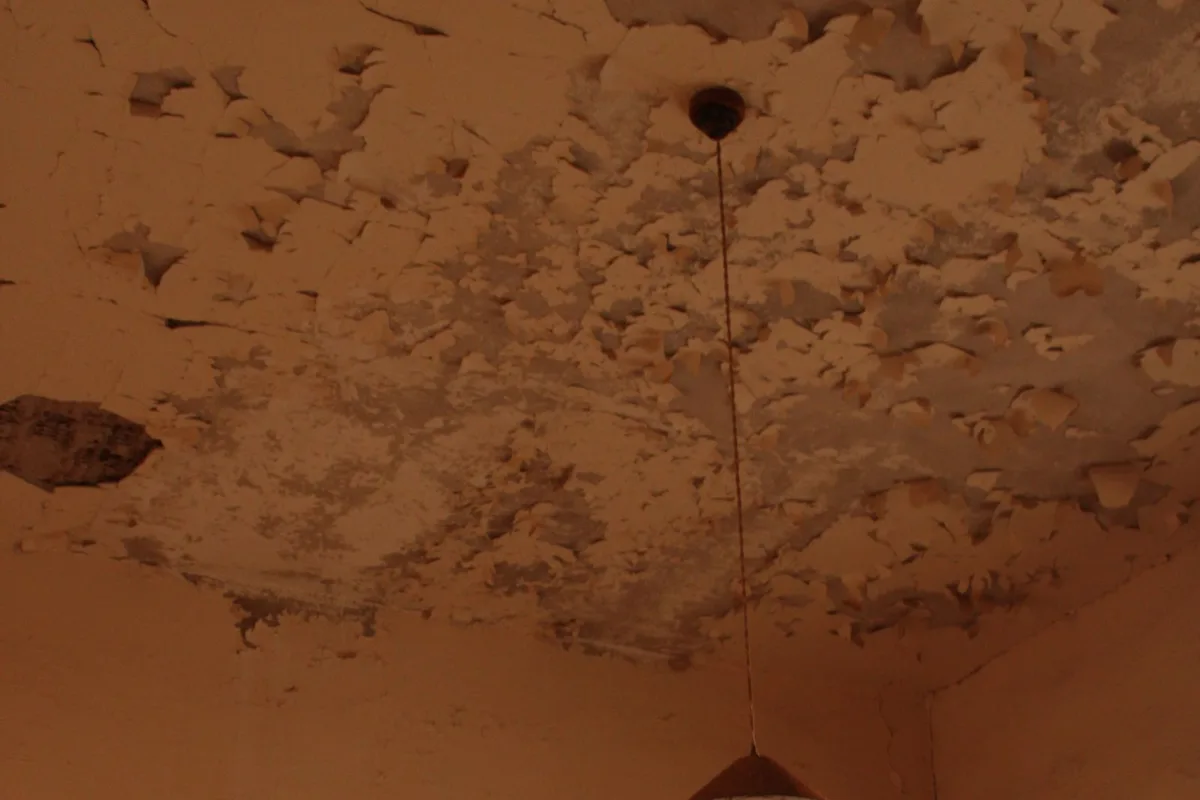
Start with the story of the stain
Ask what the stain has done lately. A stain from a leak that was repaired last year, which has not changed shape, color or size since, is a strong candidate for history. A stain nobody noticed until this month, in a house with no repair history, has to prove it is finished before it is treated as finished. When in doubt, the pencil outline settles it: mark the edge, date the mark, and give it a week or one good rainstorm.
The touch test
A dry stain feels like the rest of the ceiling: hard, room temperature, solid under a knuckle tap. An active or recent leak often leaves the drywall cooler than the surrounding ceiling, because evaporating water chills it, and soft or spongy where the board has soaked. Press gently with a flat palm rather than a fingertip; you are feeling for give, and a ceiling that gives is a ceiling that needs a professional, not a paintbrush.
The pattern test
Active leaks keep appointments. A stain fed by a roof leak grows after rain. A stain under a bathroom grows after baths and showers. A condensate stain grows on hot afternoons and takes the winter off. If your stain's growth matches a schedule, something above it is still leaking on that schedule. A stain that ignores weather, plumbing and seasons alike is either finished or fed by a constant source, a supply line, which is the one pattern that never takes a day off.
From Reading to a Real Inspection
The moisture meter, which ends the argument
Professionals settle the question with a pin or pinless moisture meter. The stain is read, then a clearly dry part of the same ceiling is read as the reference. If the stain reads at the dry standard and the board is firm, it is history and can be sealed and painted. If it reads wet, no amount of primer makes painting it an honest repair. This is a two-minute test, and it is the difference between a diagnosis and an opinion.
If it is an old stain: the right way to finish it
Clean the area, let it be fully dry, and seal it with a stain-blocking primer made for water stains; ordinary ceiling paint lets the discoloration bleed back through within weeks, which is why so many stains are called stubborn when they were only under-primed. Then paint the whole ceiling, corner to corner. Ceiling paint ages and light rakes across it; a spot repair in the middle almost always shows its edges.
If it is an active leak: the order that fixes it
Source first, always: the roof entry, the fitting, the pipe or the drain is found and fixed before the ceiling is touched. Then the cavity is dried and the drying is verified with readings, because closing a damp ceiling trades a stain for a mold problem. Only then does the ceiling get its rebuild, drywall where needed, texture matched, stain blocker over the repair, and a full coat of paint. Any quote that starts at the paint is selling you the last step of the job as if it were the whole job.
When to stop testing and call
Some findings end the home checks: a bulge, a drip, soft drywall, visible mold, or a stain that has crossed your pencil line twice. Each of those means the situation is active and the ceiling is losing strength or growing something it should not. The checks in this guide are for the ambiguous stain, the pale ring you noticed while changing a light bulb. For anything beyond ambiguous, the meter and the attic light belong to a professional, and the call is the test that matters.
Questions This Guide Raises
Can you tell from a photo whether a stain is active?
A photo shows the sign, not the moisture. Activity is confirmed with a meter reading and a firmness check in person, plus a look at what sits above the ceiling. That is what the inspection visit is for, and it takes minutes once the professional is under the stain.
What should I do today if I find a stain?
Photograph it, outline it lightly in pencil with the date, and note what is above it and when it seems to change. Do not paint over it until it has been checked, and if it is dripping, soft or bulging, skip the home tests and call.
How much does an inspection cost in Cedar Hill?
It varies by provider and by what the visit includes, and you will get the exact figure on the call, before anyone visits. What the inspection buys is certainty: source, moisture readings and a written quote, instead of a painted guess.
A stain is information; an inspection turns it into a plan. Call +1 (844) 468-2611 and describe what you have found: you will speak directly with a Cedar Hill ceiling repair professional. Return to the Hill Country Ceiling Pros homepage or read more on the ceiling repair blog.